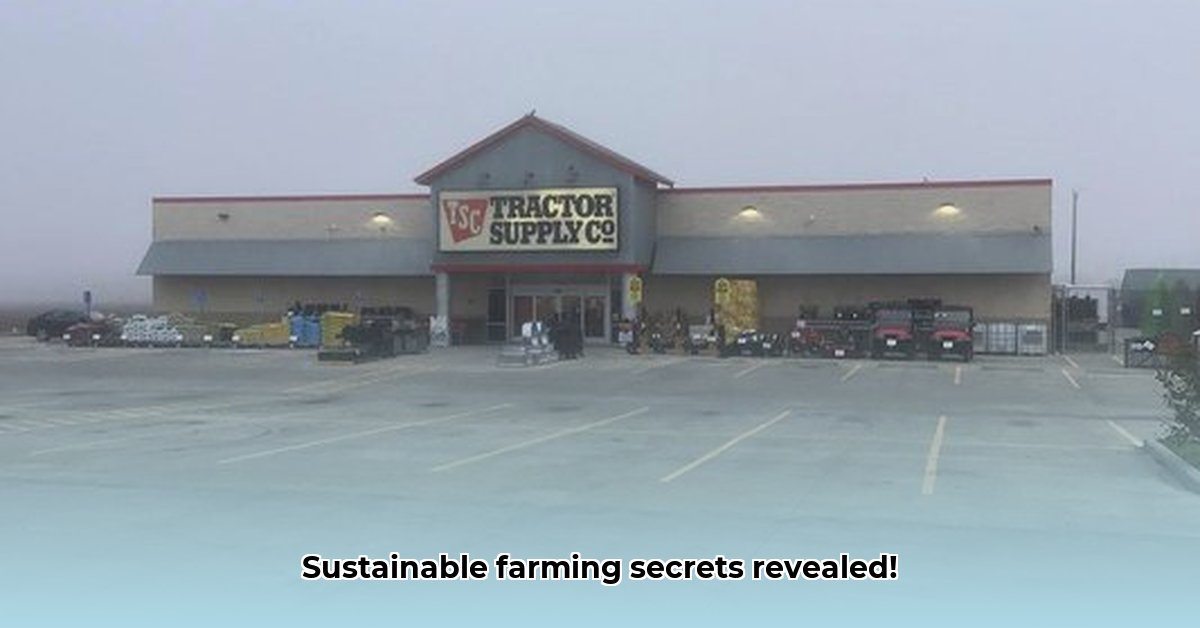
Tractor Supply CC TX: Navigating Sustainability in South Texas Agriculture
Tractor Supply Company (TSC) stores in Corpus Christi and Robstown, Texas, serve as vital resources for local farmers, providing a wide array of agricultural supplies. However, the extent of their contribution to sustainable farming practices requires careful examination. While TSC offers numerous products applicable to sustainable agriculture, its direct role in promoting such practices remains less clear. This article analyzes TSC's current offerings and identifies opportunities for improvement, providing actionable steps for farmers and TSC itself to enhance sustainability. For more visual information on TSC's products, check out their image gallery here.
Assessing Tractor Supply's Impact on Sustainable Agriculture
TSC's influence on sustainable agriculture in South Texas is largely indirect, contingent upon the purchasing choices of individual farmers. The availability of organic seeds, sustainably sourced wood, and other eco-friendly materials within TSC stores directly impacts the choices farmers make. However, a lack of readily accessible information regarding the sustainability certifications of many TSC products limits consumers’ ability to make fully informed, sustainable purchasing decisions. This points to a critical need for increased transparency from TSC regarding its supply chain and product sourcing practices.
Key Takeaways: A Balanced Perspective
- Indirect Influence: TSC's impact depends heavily on individual farmer choices and the availability of sustainable products within their stores.
- Information Gap: A critical lack of readily available data on product sustainability certifications hinders informed consumer choices.
- Shared Responsibility: Achieving substantial progress in sustainable agriculture necessitates collaborative efforts from TSC, farmers, consumers, and local governments.
Addressing the Data Deficit: What We Need to Know
A significant challenge lies in the limited publicly available information concerning the environmental impact of TSC's operations and supply chain. Specific data on the sustainability certifications held by TSC products is lacking. This absence of transparency prevents a comprehensive assessment of TSC's overall contribution to sustainable agriculture.
Dr. Emily Carter, Professor of Environmental Science at Texas A&M University-Corpus Christi, states: "A comprehensive sustainability audit, publicly released, would significantly enhance TSC's accountability and allow for a more accurate evaluation of their role in promoting sustainable practices within the agricultural community. This transparency would benefit both the consumers and the environment."
Actionable Steps for a More Sustainable Future
Achieving meaningful progress in sustainable agriculture in South Texas requires a multi-pronged approach involving various stakeholders:
1. Strengthening TSC's Sustainability Commitment
Short-Term (1–2 Years): Conduct a comprehensive sustainability audit of its operations and supply chain, publicly releasing the findings.
Long-Term (3–5 Years and Beyond): Publish annual sustainability reports that include measurable goals and progress updates, fostering ongoing transparency and accountability. Consider partnerships with local organizations specializing in sustainable agricultural initiatives.
2. Empowering Farmers to Make Informed Choices
Short-Term (1–2 Years): Farmers should prioritize purchasing sustainably certified products whenever possible, supplementing TSC purchases with locally sourced supplies.
Long-Term (3–5 Years and Beyond): Farmers should actively engage with TSC, requesting a wider selection of sustainable products and advocating for greater transparency in product sourcing. Seek out educational resources and workshops that promote sustainable farming practices.
3. Promoting Consumer Awareness and Accountability
Short-Term (1-2 Years): Consumers should make conscious decisions to purchase sustainable products whenever feasible, even if this means paying a slightly higher price.
Long-Term (3–5 Years and Beyond): Consumers should advocate for greater corporate transparency by contacting TSC and other businesses directly about their sustainable initiatives, utilizing social media and engaging in community discussions that promote environmentally responsible practices.
4. Leveraging Local Government Support
Short-Term (1–2 Years): Local governments can create incentives for farmers who adopt sustainable practices, such as tax breaks or grants.
Long-Term (3–5 Years and Beyond): Local governments should develop and implement policies that promote sustainable agriculture, alongside more robust data collection systems to effectively track progress towards environmental sustainability.
How to Maximize Sustainable Practices When Shopping at Tractor Supply
Finding sustainable farming supplies requires a proactive approach. While TSC provides a convenient starting point, supplementing their offerings with local alternatives enhances overall sustainability.
1. Prioritize Needs and Research
Before visiting a store, carefully list your required supplies and research their eco-friendly alternatives online. Check if TSC carries these products before your visit.
2. Scrutinize Product Labels
Look for USDA Organic certifications and other labels indicating sustainable sourcing or environmentally responsible production. The clearer the labeling, the better informed your buying decision.
3. Engage with TSC Staff
Ask about product origins and sustainable options. TSC employees often possess valuable local knowledge that can significantly enhance your sustainable purchasing choices.
4. Supplement With Local Resources
Consider purchasing additional supplies from local farmers' markets or cooperatives to maximize your impact on local sustainability.
By integrating these steps, farmers can effectively leverage TSC resources while strengthening their commitment to sustainable agriculture in South Texas. The path towards a truly sustainable future requires collaborative efforts from all stakeholders. This includes ongoing evaluation and adaptation based on new data and insights.
https://www.tractorsupply.com/